Why You Can't Relax Even When Nothing Is Wrong
Apr 01, 2026You finish the dishes, answer the last text, and finally sit down. The house is quiet. Your list is done. Yet your chest stays tight, your mind keeps scanning, and your body acts like it's waiting for the next alarm.
This is one of the most common patterns I see in women who struggle with overthinking, especially at night or during quiet moments.
That can't-relax feeling is common in midlife women, especially those who keep everything moving. Nothing may be wrong in the moment, but your body can still act as if it must stay alert. Stress load, hormone shifts, poor sleep, and long-held habits of over-responsibility all play a part.
The good news is simple. This is real, it makes sense, and it isn't a personal failure.
Your nervous system may still think you're on duty
When life has asked a lot of you for a long time, your nervous system can stop trusting quiet. It learns to stay prepared, even when the room is calm. That means rest can feel less like relief and more like letting your guard down.

Long-term stress trains your body to stay ready
Stress isn't only about big disasters. It's also deadlines, caregiving, poor sleep, money strain, and years of being the one who handles things. After enough of that, your baseline can shift. Calm starts to feel strange because "ready" has become normal.
That helps explain why you may feel tense on vacation, jumpy on weekends, or restless after finishing your tasks. Your brain has learned that staying alert is safer than switching off. A helpful explanation of nervous system dysregulation in midlife women describes this as a body stuck in protection mode.
Some research also suggests women may stay activated longer after stress. Add midlife hormone changes, and powering down can take even longer.
If calm feels uncomfortable, your body may be protecting you, not failing you.
If your mind feels like it never fully powers down… this is exactly where to start.
I created a simple 7-Day Overthinking Reset to help you interrupt the mental loops and calm your nervous system—without needing hours of time or complicated routines.
Hyper-alert habits can look like competence
This is why high-functioning women often miss what's happening. From the outside, it looks like capability. Inside, it can feel like constant internal motion.
You might scan for problems before they happen. You may mentally rehearse tomorrow while brushing your teeth. You might re-check the calendar, re-read texts, or feel guilty while resting. In other words, tension can hide inside competence.
These habits often get praised. Being prepared, responsible, and useful earns approval. Still, the body doesn't care that the habit looks productive. It only knows it never gets the message that it's safe to stand down.
Midlife adds new pressure, even if life looks fine from the outside
Midlife often brings a strange kind of overload. It may not look dramatic. There may be no single crisis. Yet the stack of demands keeps growing.
Aging parents need more help. Kids need rides, money, or emotional support, even when they're older. Work may ask more while your energy feels less steady. Marriage can feel strained. Grief may sit quietly in the background. At the same time, you still try to keep the home, schedule, and emotional climate running.

You may be carrying too much for too many people
A lot of midlife stress is invisible. It's the planning, tracking, noticing, remembering, and anticipating. It's also the emotional labor of staying pleasant, smoothing conflict, and sensing what everyone else needs before they ask.
That hidden weight has a name. Reports on the mental load carried by U.S. women show how caregiving pressure and constant responsibility shape daily life. Even when you're good at it, carrying too much keeps your body tight.
Being "the reliable one" can become a role you never leave. So even when you sit down, part of you is still standing watch.
Unspoken stress still counts as real stress
Some midlife stress is quiet. Empty nest changes can shake your identity. Aging can stir fear in ways you don't say out loud. You may feel lonely in a full house. You may grieve old versions of yourself, past choices, or relationships that never became what you hoped.
The body reacts to these hidden burdens too. It doesn't sort stress into neat boxes like obvious and private, serious and minor, worthy and unworthy. It simply keeps score.
So, if your life "looks fine" but you still can't relax, that doesn't mean you're exaggerating. It may mean your stress has been steady, layered, and mostly unseen.
Hormones, sleep, and brain fog can make calm feel out of reach
Midlife isn't only emotional and practical. It's physical too. Perimenopause and menopause can change how your brain handles stress, sleep, and focus. These shifts don't happen to every woman the same way, but they are common and often missed.

Perimenopause can turn the volume up on anxiety
Estrogen and progesterone help support mood, sleep, and stress response. When those hormones swing or drop, your tolerance can shrink. Small stressors hit harder. Your mind may race faster. Focus may slip.
Recent 2025 and 2026 findings show these symptoms are widespread, and they often start earlier than many women expect. For added context, this NIH article on sleep and brain function at menopause explains how sleep disruption and brain changes can affect daily life.
Here is a quick snapshot from recent data on midlife women:
|
Symptom |
Common range reported |
What it can feel like |
|
Sleep problems |
68% to 89% |
Trouble falling asleep, waking often |
|
Brain fog |
44% to 87% |
Forgetfulness, slower thinking, fuzzy focus |
|
Anxiety or irritability |
75% to 80% |
Feeling on edge, snappy, overstimulated |
The takeaway is simple. If you feel unlike yourself, you're not imagining it.
Poor sleep keeps the stress loop going
Sleep loss doesn't stay in the bedroom. It follows you into the next day as a shorter fuse, lower patience, and a mind that sticks to worry. Then that stress makes it harder to sleep the next night. The cycle feeds itself.
Many midlife women think they need better discipline, when what they may need is support. Hormone changes, night sweats, cortisol shifts, and stress can all work together. If sleep is broken for weeks or months, relaxation gets much harder because your system never fully resets.
Some coping styles make rest feel uncomfortable
Not all tension comes from outside pressure. Some of it comes from patterns that once helped you survive. People-pleasing, perfectionism, overthinking, and control can keep your mind busy long after the day ends.
These aren't character flaws. In many women, they started as useful skills. They kept the peace, helped you avoid criticism, or made chaotic situations feel more manageable. Still, survival habits can outlive the season that formed them.
People-pleasing and perfectionism keep your mind busy
If your worth got tied to being helpful, getting things right, or staying ahead, rest can stir guilt. You may sit down and instantly think of what you forgot, what someone needs, or what could go wrong.
That is why "do nothing" often feels impossible. The mind keeps working because usefulness has become linked to safety. For women dealing with midlife mental strain, this guide to perimenopause anxiety and brain fog can help connect the dots between symptoms and support.
If rest feels unsafe, your body will resist it
For some women, slowing down makes tension louder at first. Unmet needs show up. Sadness rises. Fatigue that you've pushed past all day suddenly lands. Silence makes you notice what busyness helped you avoid.
That's normal. It doesn't mean rest is bad for you. It means your body may need a gentler path into it.
Instead of forcing deep relaxation right away, think of it like walking into dark water one step at a time. Your system may need proof that slowing down won't overwhelm you.
If this pattern feels familiar, it’s not just about relaxing more; it’s about learning how to stop the loop that keeps your mind activated in the first place.
What helps you relax again, without forcing it
Real rest usually returns in small, steady ways. You don't need a perfect routine. You need repeated signals that tell your body, "This moment is safe."

Start with small signals of safety
Big self-care plans often fail because stressed bodies do better with simple cues. Try one or two small shifts and repeat them often.
- Unclench your jaw and drop your shoulders.
- Exhale longer than you inhale for a minute or two.
- Step outside and look at something far away with your eyes.
- Lower noise when you can.
- Finish one task before starting the next.
- Build tiny pauses between duties, not only after collapse.
Also, gentle movement helps. Walking, stretching, and strength training can lower stress and help you feel more grounded in your body. So, you can ask for help sooner, rather than after you're depleted.
Know when it's time to get extra support
If anxiety, sleep loss, panic, brain fog, or constant tension are affecting daily life, talk with a doctor or therapist. You don't have to wait until you're falling apart.
Hormone shifts, depression, anxiety, thyroid problems, and low iron can all affect how calm you feel. Support may include sleep treatment, therapy, medication, hormone care, or practical changes at home. The point isn't to push through harder. It's to get the right kind of help.
When the to-do list is done, and your body still won't soften, the problem is often not laziness, weakness, or lack of gratitude. It's an overworked, nervous system shaped by stress, midlife change, and years of staying responsible.
That can change. Relaxation is something you can rebuild, one safe moment at a time.
If your mind stays active even when life looks “fine,” it’s not because you’re doing something wrong.
It’s because your brain has learned to stay in motion—and no one ever showed you how to turn that off.
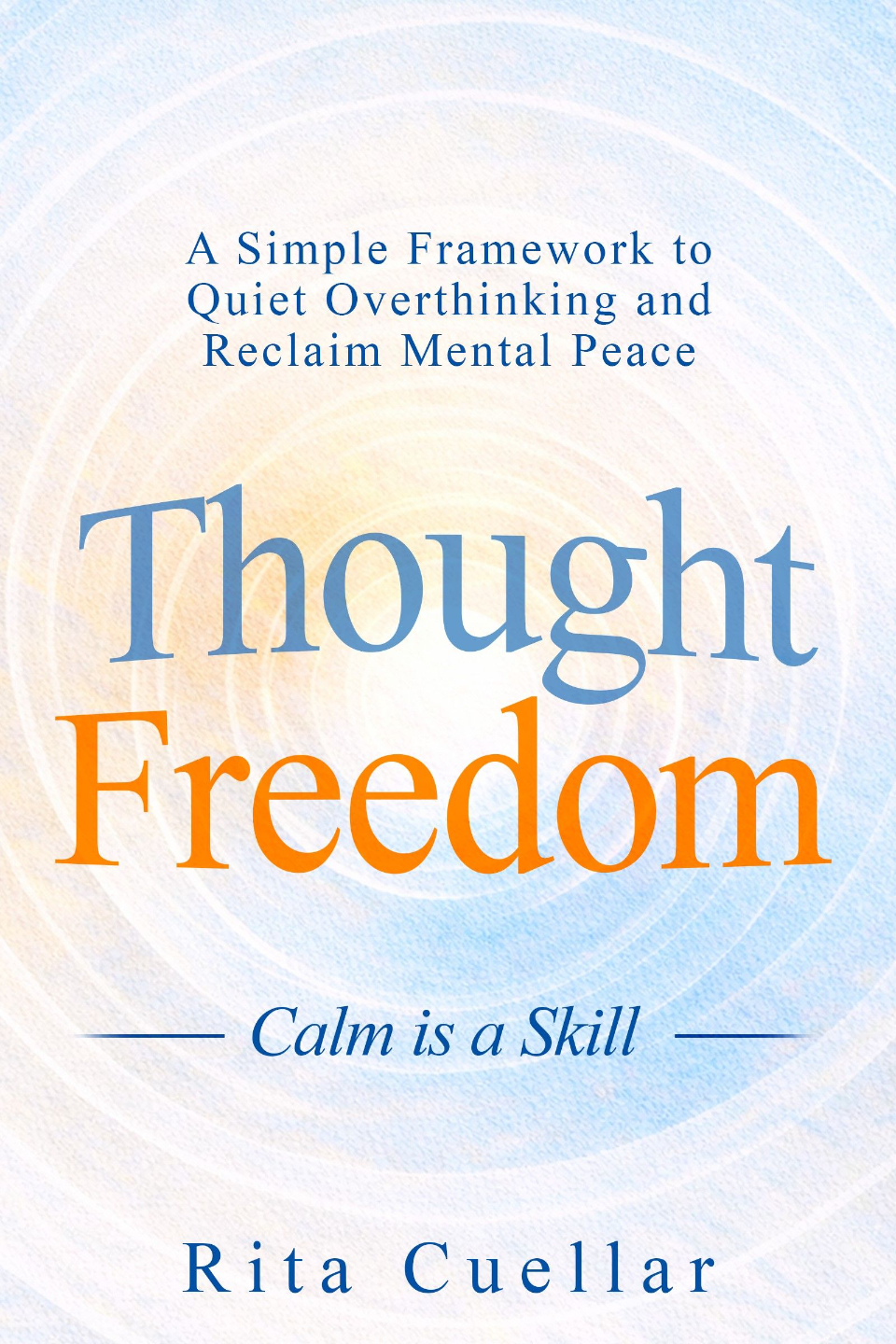
That’s exactly what I teach inside Thought Freedom.
It’s a simple, structured process to help you:
- Stop overthinking in real time
- Calm your body without forcing it
- Build a new baseline of mental quiet
If overthinking has been running in the background of your day, you don’t need more information—you need a way to interrupt the pattern.
The 7-Day Overthinking Reset gives you simple, daily steps to help you catch the loop, create space, and feel calmer—without trying to force your mind to be quiet.
Get Calm, Clear, and Out of Your Head
Simple tools and insights to help you break the overthinking loop—sent straight to your inbox.
Don't worry, your information will not be shared.
We hate SPAM. We will never sell your information, for any reason.