Emotional Exhaustion After 55: Signs, Causes, and Relief
May 17, 2026It rarely starts with a breakdown. Emotional exhaustion often builds in small, easy-to-miss ways, especially when you've spent years thinking ahead and holding everyone together.
For many women over 55, it's more than feeling tired. It can leave you drained, tense, foggy, and worn out even after sleep. Knowing the signs, the common causes, and a few gentle ways to recover can help you feel like yourself again.
What emotional exhaustion really feels like
Some women call it being worn thin. Others say they feel talked out, touched out, or emotionally flat. The wording may change, but the experience is the same; you've been giving from an empty tank for too long.
A busy week can make you tired, and a hard month can make you stressed. Emotional exhaustion goes further. Rest may help your body, but your mind still feels heavy, raw, or stretched thin.
Many emotionally exhausted women also notice their minds getting louder at night, especially when the day finally slows down. If conversations replay in your head long after they happen, this article on why midlife women replay conversations at night (and how to stop the loop) may help you understand what’s happening.
The signs in your mind, body, and mood
The signs often show up together. You may worry all day, then lie awake at night because your mind won't slow down. By morning, your body feels tight, your patience is short, and simple tasks seem harder than they should.
Brain fog is common. So are headaches, sore shoulders, poor sleep, low drive, and a flat mood. Some women feel tearful and snappy. Others feel numb, which can be just as upsetting because it seems like your spark has gone missing.
If rest helps your body but not your mind, you're dealing with more than ordinary tiredness.
Why overthinking makes the drain worse
Overthinking keeps the alarm system on. If you replay conversations, scan for problems, or try to prevent every bad outcome, your body rarely gets the message that it's safe to rest. Even quiet time can feel busy inside your head.
That is why sleep doesn't always fix the problem. You can spend hours in bed and still wake up tired because your mind never stopped working. If this sounds familiar, this article on compassion fatigue in midlife women captures that slow, unnamed drain.
What usually causes emotional exhaustion after 55
After 55, stress often comes in layers, not one big wave. Family needs, changing health, loss, and money worries can stack up until your mind feels full all the time.
That is also why it can feel confusing. Nothing looks dramatic from the outside, yet you feel used up on the inside.
Sometimes emotional exhaustion doesn’t come from doing too much physically. It comes from carrying too much mentally and emotionally for too long. If that sounds familiar, this article on why you feel mentally exhausted all the time (even when you're not doing that much) explains why the drain can feel so confusing.
Caregiving, family needs, and always being the strong one
Caregiving is a big one. You may help an aging parent, support a spouse, watch grandchildren, or stay on call for adult children. Each role asks for patience and emotional steadiness, even on days when you have none left.
Many women were taught to be the strong one. So, they push through, say yes, and hide their strain. Some also manage other people's schedules, moods, and problems without even calling it work. It is work, and it wears you down.
Even when no one asks for help, you may be the one who notices what needs to be done first. When there is no real recovery time, stress stops feeling temporary. It starts to feel like your normal state.
Health changes, life transitions, and nonstop mental load
Health changes can add another layer. Sleep may get lighter, and menopause-related shifts can bring fatigue, mood changes, and more stress.
Then life transitions pile on. Retirement can unsettle your routine. Grief can sit in the background for months. Money worries, new health limits, or a changing sense of identity can make each day feel mentally crowded.
Even happy changes, such as a new grandchild or downsizing, can add work and worry. You may feel grateful for your life and still feel tired by it. If menopause fatigue has been confusing, research on stress and fatigue across menopause shows how real and common it can be.
How to start recovering without doing everything at once
You do not need a perfect plan. Recovery starts by lowering the daily drain and giving your mind small pockets of safety. A few steady habits help more than one big effort you can't keep.

Small daily habits that calm an overloaded mind
Start with the first hour of the day. Move a little slower, delay the news, and avoid checking messages right away. That can reduce the sense that the day is already chasing you.
During the day, take short pauses before you hit empty. Breathe out longer than you breathe in. Write worries on paper so they stop circling. If you overthink, set a short "worry time" in the afternoon instead of carrying concerns all day.
At night, cut back on screen time and choose one calming routine, even if it's just tea, music, or a warm shower. Also, protect one small block of time that belongs only to you. Ten minutes count.
Simple routines work because they signal to your body that the pressure has eased. Most importantly, don't wait until you crash.
When to talk to a doctor, therapist, or trusted person
Sometimes self-care is not enough. If this has lasted for weeks, keeps getting worse, or is affecting your sleep, work, or daily life, talk to a doctor, therapist, or someone you trust. A medical visit can also rule out health issues that add to fatigue.
This guide to emotional burnout in midlife may also help you put words to what you've been carrying.
A kinder way forward
Emotional exhaustion is real, and it deserves care. If your mind feels crowded, your body stays tense, and rest never seems to be enough, pay attention to that message.
Notice the signs early and be gentler with yourself than usual. One small step, taken today, can start to bring relief back into reach.
If your mind feels crowded, your body stays tense, or rest never fully recharges you, you’re not alone.
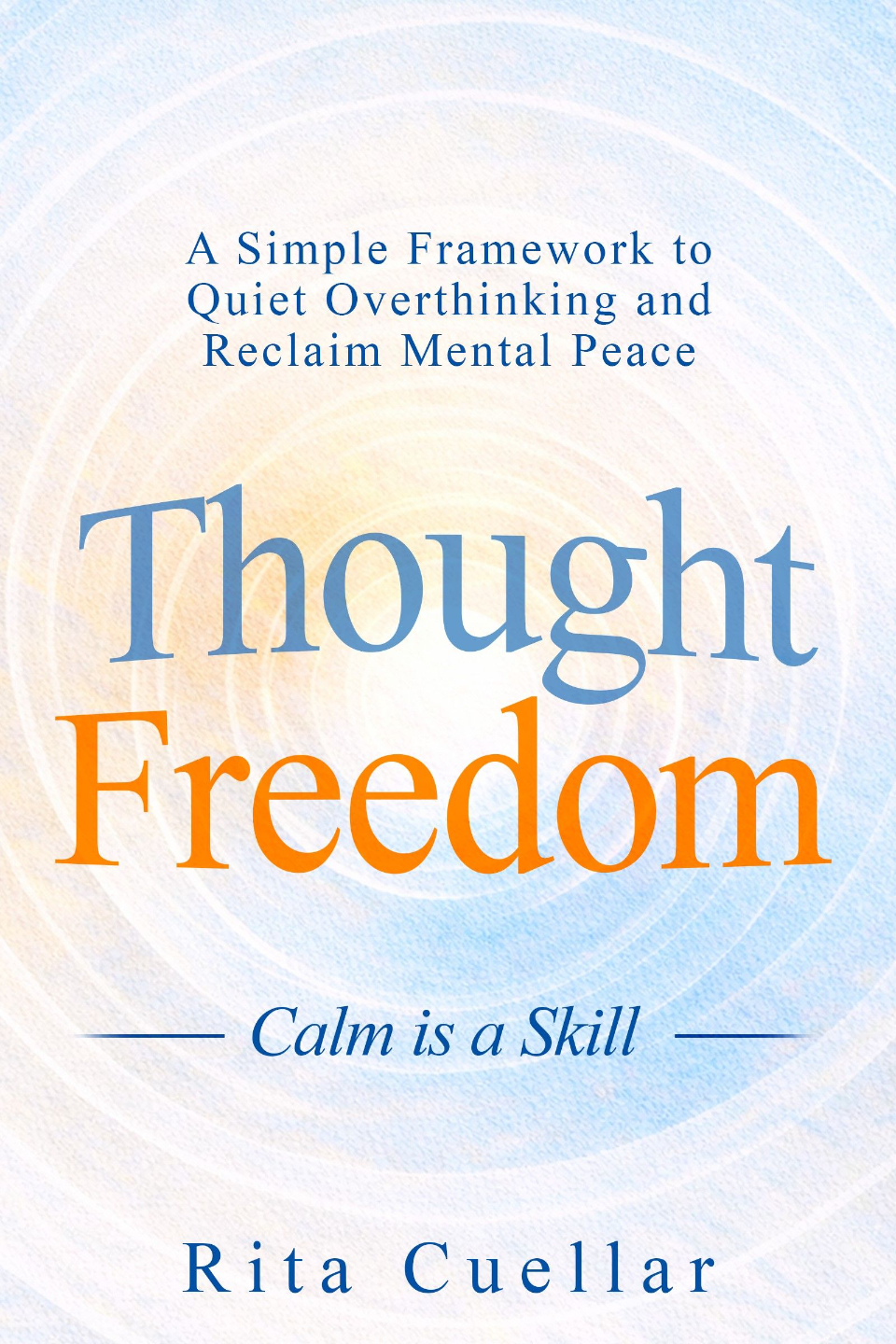
I created a free Thought Freedom Starter Kit to help you interrupt emotional overload, calm mental spirals, and feel more steady again—without trying to “fix” yourself overnight.
Inside, you’ll find simple tools to help you:
• slow racing thoughts
• reduce emotional overwhelm
• and create more calm throughout your day
You can download it here: Starter Kit link
If overthinking has been running in the background of your day, you don’t need more information—you need a way to interrupt the pattern.
The 7-Day Overthinking Reset gives you simple, daily steps to help you catch the loop, create space, and feel calmer—without trying to force your mind to be quiet.
Get Calm, Clear, and Out of Your Head
Simple tools and insights to help you break the overthinking loop—sent straight to your inbox.
Don't worry, your information will not be shared.
We hate SPAM. We will never sell your information, for any reason.