Why You Feel Mentally Exhausted All the Time (Even When You’re Not Doing That Much)
Apr 02, 2026You can look capable, stay on top of life, and still feel mentally exhausted most of the time. That doesn't mean you're lazy, weak, or "not handling life well enough."
This is one of the most common patterns I see in women who struggle with overthinking and mental overload.
For many high-functioning midlife women, the drain comes from hidden strain, not obvious busyness. Poor sleep, hormone shifts, nonstop decisions, emotional labor, stress that never fully switches off, and basic health issues like low iron or blood sugar swings can all make your brain feel overworked.
Once you name what's happening, the fog starts to make more sense. That's where relief usually begins.
Mental exhaustion is real, even if your schedule does not look that full
Mental exhaustion is more than being tired after a long day. It's the feeling that your brain has too many tabs open, even when your calendar doesn't look packed.
You might still be getting things done. However, it takes more effort than it used to. Small tasks feel oddly heavy. Simple choices feel annoying. Noise, interruptions, and other people's needs start to feel like too much.
Mental exhaustion often shows up when your brain never gets to stop tracking, planning, filtering, and holding everything together.
If your mind feels like it never really shuts off, even when you try to rest, this is where to start.
I created a simple 7-Day Overthinking Reset to help you calm the mental loops and give your brain a break.
This quick comparison helps:
|
Normal tiredness |
Mental exhaustion |
|
You feel better after rest |
Rest helps less than expected |
|
Your body feels worn out |
Your thoughts feel slow or scattered |
|
A busy day explains it |
It can happen even on a lighter day |
That last part matters. A person can be busy in ways that are invisible. Mental load counts. Emotional strain counts. Worry counts. Keeping track of everyone else's life counts.
The signs often look like brain fog, irritability, and low motivation
Mental fatigue rarely looks dramatic. More often, it looks like forgetting why you walked into a room, putting off easy tasks, or staring at your phone because thinking feels hard.
You may notice lower patience, too. Conversations that used to feel normal can leave you drained. Decision-making gets clunky. You snap faster, zone out more, and recover slower.
Sometimes it looks like "I don't feel like it." Underneath, it's closer to "my brain has no extra fuel."
Your brain can be overworked long before your body feels tired
Your brain uses energy all day. It manages focus, memory, mood, task switching, noise, planning, and self-control. That's a lot, even before stress comes into play.
Then add constant interruptions. Add background worry. Add remembering appointments, meals, passwords, deadlines, and what everyone needs next. The brain keeps spending energy, even while you sit still.
That's why you can feel wrung out after a normal workday, a few errands, or even a long conversation. The effort was real, even if it wasn't physical.
If your mind also struggles to relax, you may relate to this.
The hidden reasons you feel mentally exhausted all the time
The hardest part is that these causes often go unnoticed. You may be functioning well enough so that no one else sees the cost.
You are carrying the mental load, not just a to-do list
A to-do list ends on paper. The mental load keeps running in the background. It's remembering the dentist appointment, noticing the groceries are low, checking on a parent, knowing your coworker's deadline, and thinking three steps ahead for everyone in the house.
That background thinking is work. It asks your brain to stay alert all day. A recent 2026 report on hidden mental load describes just how much invisible work women often carry without it being named as work.

When you're the one who notices, remembers, predicts, and smooths things over, your brain rarely gets a clean break. That can leave you tired before the day has even gotten hard.
Perimenopause and menopause can drain your focus, sleep, and mood
Midlife hormone shifts can change how your brain feels day to day. Estrogen and progesterone affect sleep, stress response, mood, and memory. So, when those hormones shift, normal tasks can start taking more effort.
Brain fog is common in this stage of life. Current data shows that 62% of women experience brain fog at least sometimes during perimenopause and menopause. Research also puts self-reported cognitive decline in perimenopause at 44% to 62%. You can see this reflected in research on cognition and menopause, which examines cognitive symptoms during the menopause transition.
This can feel unsettling, especially if you've always been sharp and organized. Still, it's common. Many women also report more irritability, lower stress tolerance, and a sense that their mind doesn't "bounce back" the way it used to.
Poor sleep keeps your brain in catch-up mode
Sleep loss doesn't always look like sleeping only four hours. Sometimes it looks like waking at 3 a.m., sleeping lightly, or spending enough time in bed without getting deep, steady rest.
When that happens, your brain stays in catch-up mode. Focus slips. Memory gets patchy. Emotions feel closer to the surface. Then stress rises because everything takes longer, and the cycle keeps feeding itself.
Hormone shifts can make this worse. So can stress. If your body feels tired but also wired, poor sleep may be sitting in the middle of both.
If you mind tends to stay active at night too, you may relate to why your brain won't shut off when you're trying to sleep.

Decision fatigue and emotional labor use up energy fast
Every choice costs something. What's for dinner? Do I answer that text now? Should I push through or rest? Is my child okay? Did I sound too blunt in that meeting?
None of these choices seems huge on its own. Together, they wear you down. Emotional labor adds another layer. You may be the one who keeps peace at work, absorbs tension at home, and stays steady when everyone else is falling apart. That kind of energy output is real, even when no one sees it. A recent piece on emotional labor draining women leaders captures how much this hidden effort can cost.
If you end the day unable to decide what show to watch or what email to answer first, that's not pettiness. It's depletion.
Your body may be low on fuel, even if you are still functioning
Sometimes what feels mental starts in the body. Low iron, skipped meals, blood sugar swings, dehydration, and digestion problems can all make your mind feel foggy, flat, and slow.
Low iron matters more than many women realize. Current US data suggests iron deficiency affects about 23% of women ages 12 to 49, and the risk can stay high in midlife, especially with heavy periods in perimenopause. Low iron can cause deep fatigue, weakness, poor focus, and that washed-out feeling that sleep doesn't fix.
Blood sugar swings can do something similar. If you go too long without eating, or meals leave you crashing, your brain may feel shaky, moody, and scattered. When ongoing fatigue keeps showing up, it deserves medical attention, not self-criticism.
Why this hits high-functioning women so hard in midlife
The women who struggle most with this are often the ones who look the most "fine." They keep producing. They keep caring for people. They keep showing up.

You may look fine because you are used to pushing through
Competence can hide depletion. If you've spent years being dependable, organized, and calm under pressure, you may not notice how little reserve you have left.
You keep going because you can. Then one day, simple things feel heavy. Email feels hard. Plans feel annoying. Even kind people feel like too much.
That mismatch is confusing. From the outside, you're still managing. On the inside, you're dragging.
Stress can stay stuck in your system, even when life seems calm
Stress doesn't always leave when the crisis ends. Sometimes your body learns to stay on alert. Then even quiet days don't feel restful.
This is the wired-and-tired pattern many midlife women know well. You're exhausted, but you can't fully relax. You want rest, yet your mind keeps scanning, thinking, and bracing. A study of midlife women's health and functioning at work reflects this mismatch between outward performance and inner strain.
That's part of why doing "not that much" can still leave you spent. The stress response may still be running in the background.
If this feels familiar, the goal isn’t just to “rest more.”
It’s to reduce the mental patterns that are draining you all day long.
What helps when your mind feels tired all the time
There usually isn't one fix because there isn't usually one cause. Still, small steps can help you see what your exhaustion is trying to tell you.
Start by tracking patterns instead of blaming yourself
Think like a detective, not a critic. Notice when brain fog is worst. Pay attention to sleep quality, cycle changes, stress spikes, long gaps between meals, and how much screen time you're absorbing.
You don't need a perfect system. A few notes on your phone or calendar can be enough. The goal is not to create another job. The goal is to spot patterns.
That information can help you see whether your fatigue tracks with poor sleep, hormone shifts, overloaded days, or physical signs that need care. A simple overview of menopause brain fog can also help put those patterns into words.
Support the basics first, then ask for the right kind of help
Start with the basics that give your brain a fair chance. Eat regularly. Drink water. Protect sleep where you can. Cut some of the nonstop input if your mind never feels quiet.
Then get help when needed. If fatigue is ongoing, ask your doctor about labs, including iron if you still menstruate or have heavy bleeding. If you're in perimenopause or menopause, bring up sleep, mood, brain fog, and cycle changes clearly. If you feel dismissed, keep asking questions until someone takes the full picture seriously.
You are not failing at life. Your brain may be asking for support in a language that looks like "low motivation."
Constant mental exhaustion usually has a real cause, even when your life doesn't look wildly busy from the outside. Hidden mental load, hormone shifts, poor sleep, stress, emotional labor, and low physical reserves can all pile up until your mind feels heavy all the time.
The most useful next step is often the simplest one: name the pattern. When you stop judging yourself and start looking for the real driver, support gets easier to find.
If you constantly feel mentally exhausted, even when your life doesn’t look overwhelming, it’s not because you’re doing something wrong.
It’s because your mind has been running in the background for too long without a way to shut it off.
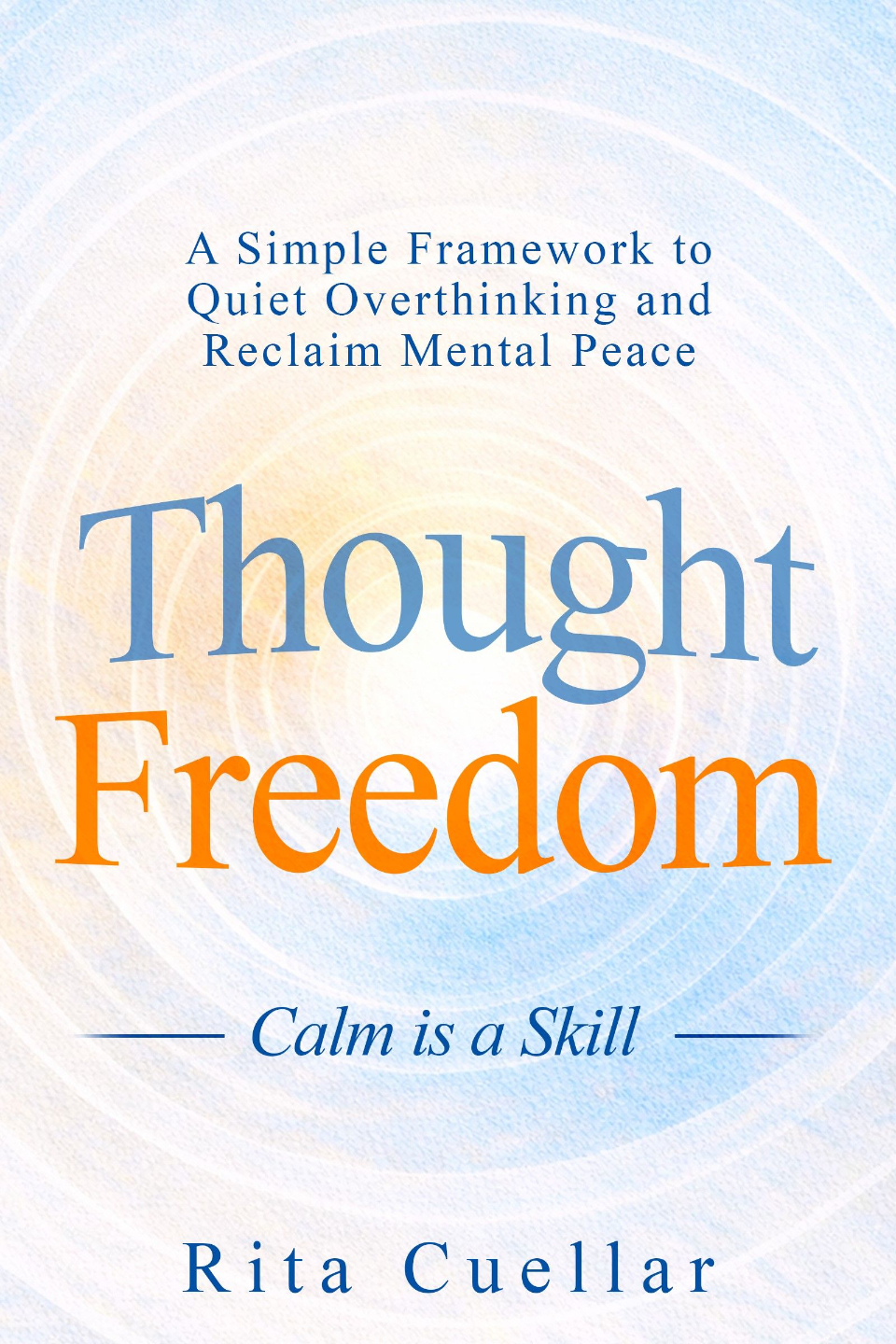
That’s exactly what I teach inside Thought Freedom.
You’ll learn how to:
- Stop the constant mental loops
- Reduce the hidden load your brain is carrying
- Feel clear, focused, and mentally lighter again
Learn more about Thought Freedom here
If overthinking has been running in the background of your day, you don’t need more information—you need a way to interrupt the pattern.
The 7-Day Overthinking Reset gives you simple, daily steps to help you catch the loop, create space, and feel calmer—without trying to force your mind to be quiet.
Get Calm, Clear, and Out of Your Head
Simple tools and insights to help you break the overthinking loop—sent straight to your inbox.
Don't worry, your information will not be shared.
We hate SPAM. We will never sell your information, for any reason.