Why You Feel Disconnected From Yourself (And Can’t Explain Why)
Apr 09, 2026You keep showing up. You handle work, family, errands, texts, meals, appointments, and the million small things nobody sees. Yet inside, something feels off.
Maybe you feel flat, numb, restless, or unlike yourself in a way that's hard to name. From the outside, you look capable. On the inside, you feel strangely far away.
This is common in midlife, and it usually has real causes. It isn't a character flaw, and it doesn't mean you're failing at life. It often means you've been carrying too much for too long.
What feeling disconnected from yourself can actually look like
Feeling disconnected from yourself doesn't always look dramatic. Often, it feels quiet. A low hum of absence. You still get things done, but your joy feels muted. Your thoughts feel foggier. Your sense of what you want, need, or even like gets harder to hear.
For many women, self-disconnection feels like living one inch outside their own life. Nothing is fully wrong, yet nothing feels fully alive either. That can be confusing because there may be no clear crisis to point to.
Many women describe this as losing their spark or feeling like a stranger to themselves. If that sounds familiar, this piece on reconnecting with yourself in midlife captures that shift well.
You get through the day, but you don't feel present in your own life
This can look like autopilot. You wake up, move through your routines, answer people, finish tasks, and fall into bed. Still, you barely feel present for any of it.
You may laugh at dinner and still feel empty. You may finish a full day of work and realize you don't remember much of it. Life keeps moving, but it feels like it's happening around you, not with you.
This is often where overthinking quietly takes over in the background.
If that sounds familiar, the 7-Day Reset is a simple place to start interrupting that pattern.

Many high-functioning women stay productive while feeling inwardly absent. That's part of why this state is easy to miss. You can still perform well while feeling deeply disconnected.
Small signs, like irritability, boredom, and loss of interest, can point to a deeper disconnect
Sometimes the signs seem too small to matter. You snap more easily. Music doesn't move you. Hobbies feel pointless. Friends text, and you don't want to reply. Free time arrives, and instead of relief, you feel blank.
That mental heaviness often overlaps with feeling constantly drained, even when you haven’t done much.
Why You Feel Mentally Exhausted All the Time
Then comes the painful thought: I should be grateful, so why do I feel this way?
That question often keeps women silent. Gratitude and disconnection can exist together. You can love your family and still feel lost. You can know your life looks good and still feel no real pull toward it.
Disconnection often starts as a whisper, not a breakdown.
Why this feeling often shows up in midlife
Midlife can press on every weak spot at once. It's rarely one issue. More often, it's years of demands, body changes, role shifts, and stress building up until your inner life goes quiet.
Recent reporting and expert commentary in 2026 keep circling the same truth. Emotional numbness in midlife isn't usually random. Long-term stress, poor sleep, and constant pressure can dull your ability to feel present, hopeful, or fully like yourself.
Constant caregiving and the invisible load can leave no room for your own inner life
Many women in midlife carry visible work and invisible work at the same time. They earn money, remember birthdays, schedule appointments, manage school issues, track aging parents, notice what groceries are low, and hold everyone's emotional weather in their heads.
That ongoing mental strain has a cost. Psychology Today's look at midlife overwhelm describes how invisible labor can leave women drained, even when no one else sees the load.
When your attention is always going outward, your inner voice gets quieter. After years of meeting other people's needs, many women stop knowing what they want unless someone asks directly. Even then, the answer may not come.
Hormone changes, poor sleep, and stress can make you feel unlike yourself
Perimenopause and menopause can add another layer. This isn't hype. Mood changes, anxiety, brain fog, sleep trouble, and fatigue are common. Real-time summaries available in April 2026 still show that mood symptoms affect a large share of women in this stage, and many report irritability, sadness, anxiety, and exhaustion more than they expected.

The body and mind aren't separate boxes. If you aren't sleeping, if your hormones are shifting, and if stress stays high, of course, you may not feel like yourself. Even the common menopause symptoms listed by the NHS include mood changes, anxiety, and trouble concentrating.
Life changes can shake the roles that once told you who you were
Midlife also brings identity shocks. Kids need you less, or in new ways. Parents need you more. A marriage changes. A career stalls or ends. Friendships shift. Loss arrives. Your face changes. Your energy changes.
When old roles loosen, one hard question often rises: who am I when I'm not needed, useful, or strong all the time?
That question can feel scary, but it's honest. Sometimes disconnection is the mind's way of saying the old shape of your life no longer fits.
Why it's so hard to explain this feeling, even to yourself
Part of the pain is how vague it feels. You may know something is wrong, but you can't pin it down. That makes it easy to dismiss, minimize, or keep postponing.
This is the point where most women start trying to think their way out of the feeling, but that usually keeps the loop going.
What helps isn’t more thinking. It’s learning how to interrupt the pattern between your mind and body in real time.
If you want a simple way to start doing that, the 7-Day Overthinking Reset walks you through it step by step.
Many women think, "Nothing terrible happened. Why do I feel so far away?" But self-disconnection often doesn't arrive with a clear headline. It builds quietly, then stays.
You've been taught to keep going, so you miss your own warning signs
Competent women are often rewarded for exceeding themselves. You push through. You handle it. You don't complain. You keep everyone else steady.
Over time, that habit can hide real distress. You learn to call yourself tired when you're lonely. You say you're busy when you're numb. You tell yourself to be thankful when what you feel is grief, anger, or emptiness.
Over time, this pattern can also lead to replaying conversations and second-guessing yourself long after the moment has passed.
Why You Replay Conversations in Your Head
This is one reason women can go so long without naming what's happening. The skills that helped you survive, being dependable, self-sacrificing, and strong, can also keep you from hearing your own signals.
There may be no single crisis, just years of drift
Sometimes there is no one event to explain the gap. No divorce. No job loss. No medical emergency. Just years of drift.
Burnout can blur into grief. Hormonal change can mix with regret. Loneliness can hide inside a full house. Resentment can sit next to love. Because these layers overlap, the feeling can seem slippery and hard to defend.
If you've ever thought, "Maybe I've lost myself," you aren't alone. Pieces like these, signs you've lost yourself, often ring true because they describe that slow fade, not a dramatic collapse.
How to start reconnecting with yourself in a real, gentle way
Reconnection doesn't need a huge life overhaul. In fact, grand plans often fail when you're already tired. What helps most is small, honest contact with yourself, repeated over time.
Think of it like turning the lights back on in rooms you've ignored for years. You don't need to fix the whole house today. You only need to enter one room.
Start by noticing what drains you, what numbs you, and what still feels true
Begin with observation, not judgment. A few quiet minutes can help more than one perfect insight. You might journal for five minutes, take a short walk without your phone, or leave yourself a note in your car.
Notice what leaves you depleted. Notice what you use to go numb. Notice where resentment shows up. Also, notice what still feels true. A certain song. A certain friend. Time alone in the morning. Gardening. Reading. Strength training. Prayer. Silence.
Those small moments of aliveness matter. They are clues.
Make small choices that bring you back to your body, needs, and preferences
Start with the basics that support your nervous system. Sleep matters. Food matters. Movement matters. Rest matters. Medical support matters when symptoms are persistent.
Then add tiny acts of preference. Choose the restaurant you want. Say no without writing an essay. Stop doing one task that shouldn't be yours. Return to an old interest for ten minutes. Try one new thing without needing to be good at it.

If you need ideas, this article on how to reconnect with yourself in midlife offers grounded prompts without pushing a dramatic reinvention.
Let support in before the distance gets bigger
You do not have to solve this alone. A trusted friend can help you hear yourself more clearly. A therapist can help you sort numbness from burnout, grief, anxiety, or depression. A doctor can help rule out sleep issues, hormone changes, and other physical drivers.
If sadness, anxiety, exhaustion, or emotional flatness feel heavy or long-lasting, seek care. Needing support isn't a weakness. It's a sign that something in you needs attention, not more self-pressure.
The most healing step is often the simplest one, telling the truth about how you feel.
You don't feel disconnected from yourself because you've failed. More often, parts of you have been ignored, overworked, or pushed aside for too long.
With attention, honesty, and support, that distance can change. Start small, stay kind, and listen for one true thing today.
If you’re tired of feeling disconnected from yourself…
If you’re done overthinking everything and still feeling off…
You don’t need more advice; you need a way to shift what’s happening in real time.
Start with the 7-Day Overthinking Reset, where you’ll learn how to:
- Calm your nervous system when everything feels overwhelming
- Interrupt the overthinking loop without forcing it
- Feel more present, clear, and like yourself again
And if you’re ready to go deeper…
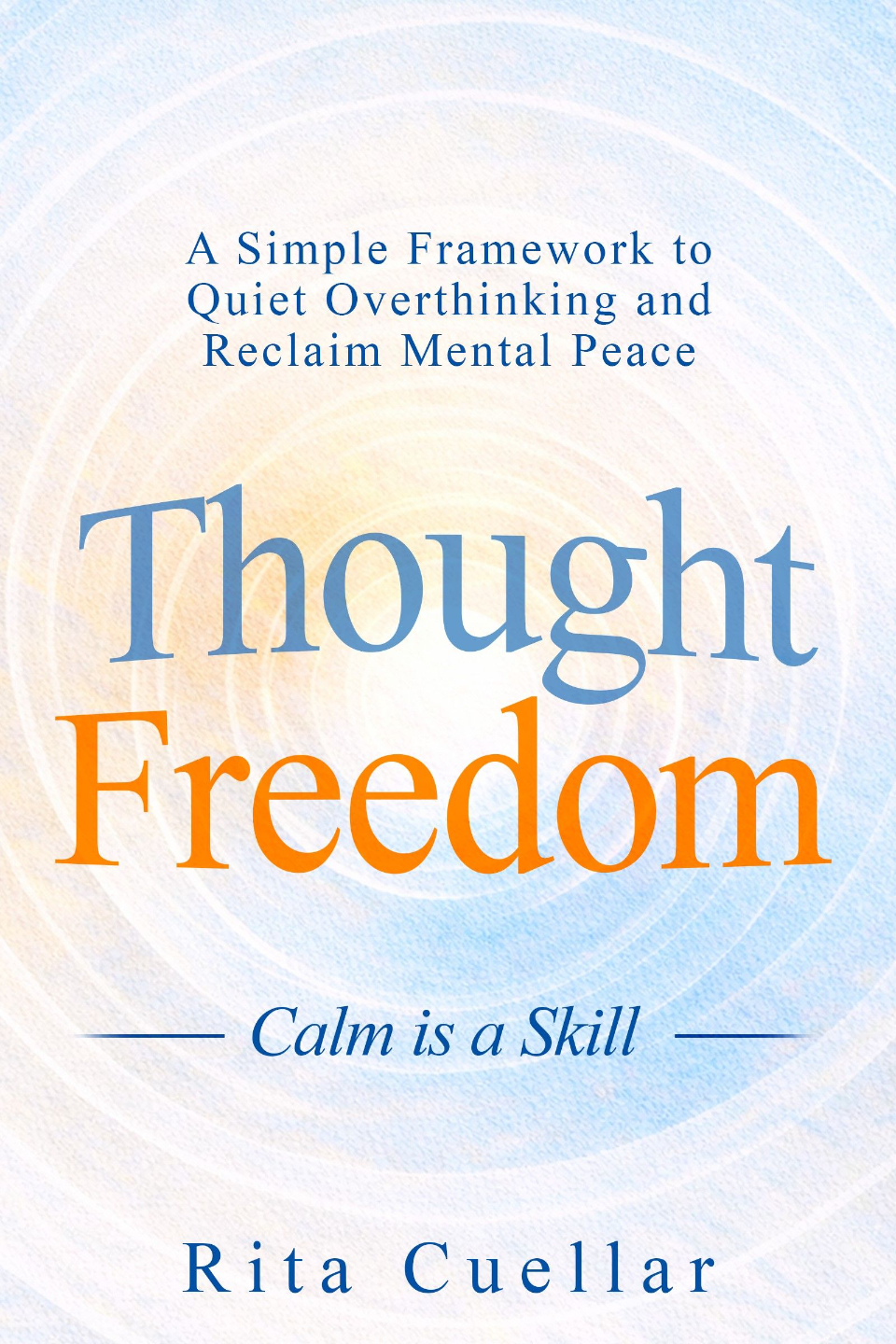
The full Thought Freedom Course shows you how to permanently break the cycle of overthinking and emotional overwhelm so you can move through your days feeling steady, confident, and in control.
If overthinking has been running in the background of your day, you don’t need more information—you need a way to interrupt the pattern.
The 7-Day Overthinking Reset gives you simple, daily steps to help you catch the loop, create space, and feel calmer—without trying to force your mind to be quiet.
Get Calm, Clear, and Out of Your Head
Simple tools and insights to help you break the overthinking loop—sent straight to your inbox.
Don't worry, your information will not be shared.
We hate SPAM. We will never sell your information, for any reason.