Why You Feel Irritated by Everything, and What It's Really Telling You
Apr 30, 2026You keep it together. You answer the texts, handle the work, remember the appointments, and do what needs to be done. Then one small thing, a loud chew, a slow driver, a question asked at the wrong second, makes you feel like your skin is too tight.
This is also why you may feel fine one moment and suddenly overwhelmed the next.
Why You Feel Fine One Moment and Overwhelmed the Next
That kind of irritability usually means more than "I'm in a bad mood." For many high-functioning midlife women, it's a signal from an overloaded system. Stress load, poor sleep, blood sugar swings, hidden burnout, and perimenopause can all shrink your margin for everyday life.
You’re not becoming more difficult; you’re running with less margin than you used to.
Over time, that kind of strain can leave you feeling mentally exhausted, even when nothing obvious has gone wrong.
Why You Feel Mentally Exhausted All the Time
Irritability is often a stress signal, not a character problem
When you're capable and reliable, people often assume you're fine. You may assume that too. So, when you feel snappy, tense, or annoyed by everything, shame steps in fast.
Yet irritability is often a nervous system response. It can show up when you've been carrying too much for too long, with too little rest and too little support. That doesn't excuse hurtful behavior, but it does change the story. You're not "too much." Your system may be past capacity.
When your system stays in that state, it can also feel like you can’t fully relax, even when nothing is actually wrong.
Why You Can’t Relax Even When Nothing Is Wrong

Constant irritation is often a body alarm, not a moral failure.
Why small things feel huge when your system is overloaded
When your brain is tired, small friction feels bigger. Noise hits harder. Mess feels louder. Delays feel personal. One more request can feel like a door slamming shut.
This isn’t random; it’s what happens when your system has been stretched for too long.
This happens because stress lowers your patience. Mental load also uses the same energy you'd need for flexibility. So, the dishwasher beeping, the dog barking, or a co-worker asking for "one quick thing" can feel intense, even when you know it's minor.
What irritation can reveal about unmet needs
This is often where the pattern becomes clear, once you know what to look for.
Irritation often points to needs that have gone ignored for a while. You may need sleep, food, quiet, movement, space, or help. Sometimes you need emotional safety, not another task.
Many women notice the anger first and miss the message under it. The sharp tone may be covering hunger, dread, grief, or the ache of always being available. Once you stop treating irritation as proof that something is wrong with you, it becomes useful information.
At that point, it’s easy to turn the frustration inward and assume something is wrong with you.
But most of the time, the issue isn’t your mood; it’s that your mind and body are overloaded and stuck in a pattern they haven’t learned how to exit.
If you want a simple way to start interrupting that pattern, the 7-Day Overthinking Reset walks you through it step by step.
The real reasons you may feel irritated by everything right now
Midlife irritability rarely has one neat cause. More often, several layers pile up at once. Hormone shifts can disrupt sleep, poor sleep can drain patience, and burnout can make every small demand feel heavier.
Perimenopause can make your mood shorter and your patience thinner
Perimenopause can change how steady you feel from one day to the next. Estrogen and progesterone shift unevenly, which can affect mood, sleep, the stress response, and emotional tolerance. Recent midlife research suggests that while many women manage anger better with age overall, the perimenopause transition can still bring a shorter fuse in the middle of an already full life.

ACOG's explanation of mood changes during perimenopause puts it plainly: these mood shifts are real, and they can feel a lot like PMS. If irritability comes with hot flashes, brain fog, cycle changes, or night waking, hormones may be part of the picture.
Poor sleep can turn normal stress into instant annoyance
A tired brain reacts faster and recovers more slowly. That's why the same problem you handle fine on a rested day can feel unbearable after a rough night.
For many midlife women, sleep gets interrupted by night sweats, hot flashes, worry, or early waking. Broken sleep doesn't only make you sleepy. It lowers frustration tolerance, blunts focus, and makes your nervous system more reactive by the afternoon.
Burnout and the mental load can come out as anger
Burnout doesn't always look like collapse. It often looks like impatience, numbness, resentment, and a feeling of being tapped out. You keep functioning, but with less softness and less room.
That makes sense when you consider the hidden labor many women carry. Work deadlines, household management, caregiving, emotional support, meal planning, and remembering everything all pull from the same pool. When that pool runs low, irritation often shows up before exhaustion gets named.
Blood sugar dips, caffeine, and skipped meals can make you feel edgy
Food timing matters more than many women realize. If you go too long without eating, your body may answer with shakiness, headache, brain fog, or a short fuse. Then coffee on an empty stomach can make that edge sharper.
This doesn't need a strict food plan. It often starts with regular meals, enough protein, and less reliance on caffeine to drag yourself through the day. Simple changes can create more emotional steadiness than people expect.
Anxiety, ADHD, depression, and sensory overload can hide under irritability
Irritability is often the top layer, not the whole story. Under it, there may be anxiety, low mood, ADHD, grief, or sensory strain. If you also feel restless, foggy, flat, overwhelmed by noise, or unable to start simple tasks, your irritation may be covering something else.
That doesn't mean you should diagnose yourself from a blog post. It does mean curiosity is wiser than self-criticism.
How to tell what your irritability is trying to say
The goal isn't to analyze every mood. It is to notice patterns. Once you know when irritability peaks, you can respond earlier and with more accuracy.
Look for patterns in your day, your cycle, and your stress load
Start paying attention to timing. Do you get snappy at 4 p.m., after back-to-back meetings, or before dinner when you've barely eaten? Does your fuse shorten after a bad night, during a heavy work week, or before your period?
If you're in midlife, cycle tracking can still help even when periods are less regular. Cleveland Clinic's perimenopause overview notes that symptoms can last for years, and that range can make mood changes feel random when they aren't. A few weeks of notes can reveal more than memory does.
Notice the body clues that come before the snapping
Your body usually whispers before it yells. Jaw tension, tight shoulders, a hot face, racing thoughts, dread, hunger, headache, or the urge to hide in a quiet room often show up first.
Catching those signs early matters. Once irritation spills out, it can feel like it came from nowhere. In truth, your body had probably been sending alerts for hours.
What actually helps when you feel on edge all the time
Big life demands don't disappear because you noticed a pattern. Still, a few small shifts can lower the pressure fast. The best support is usually boring, practical, and repeatable.

Start with the basics that calm your body fast
Regular meals help. Water helps. So does a short walk, even 10 minutes around the block. If caffeine makes you jittery or angry, pull back and see what changes.
Sleep habits matter too, even if they won't fix everything overnight. Protect wind-down time, lower evening stimulation, and reduce noise where you can. Women's Health Network's article on perimenopause irritability also points out how often mood symptoms flare when sleep and hormones are both off, which is why small body-based supports can make a real difference.
Set lower-friction boundaries before resentment builds
Boundaries are energy protection. They lower the number of things that scrape against you all day.
That may mean saying no sooner, asking someone else to handle dinner, leaving a group chat on mute, or taking 20 minutes alone before anyone talks to you after work. It may also mean cutting avoidable decisions. Fewer choices can preserve patience.
Get support if irritability is getting louder or affecting your relationships
Sometimes self-care isn't enough because the problem isn't small. If irritability is accompanied by major sleep problems, cycle changes, panic, low mood, rage, or trouble functioning, talk with a doctor or therapist. Hormone shifts, thyroid issues, anxiety, depression, and ADHD are all worth discussing.
If you want more practical context on mood swings in this stage, this guide to irritability during perimenopause offers a plain-language look at common triggers and coping ideas. The point is not to prove you're falling apart. The point is to get the right kind of help.
You are not supposed to feel calm while running on empty. When everything irritates you, your body is usually asking for relief, repair, or support.
That sharp edge may point to overload, hormonal shifts, poor sleep, burnout, or unmet needs. Once you treat it as a signal instead of a flaw, you can respond with more care and a lot less shame.
If everything has been irritating you lately…
It doesn’t mean you’re becoming a different person.
It usually means your system has been under more pressure than it can handle.
The good news is—you can start to change that.
Begin with the 7-Day Overthinking Reset, where you’ll learn how to:
- Calm your nervous system in real time
- Lower the mental load that fuels irritation
- Feel more steady, patient, and in control
Ready to go deeper?
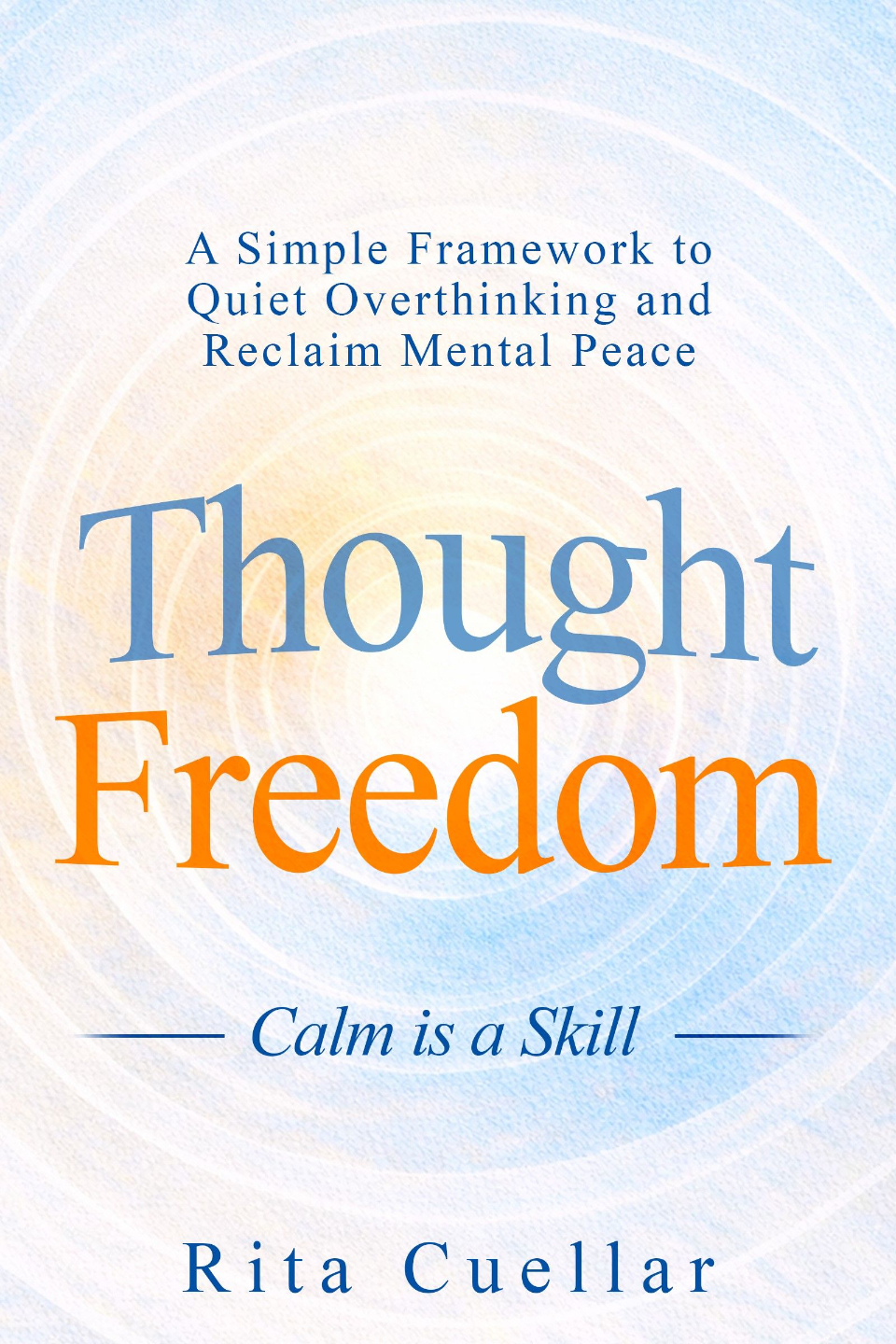
The Thought Freedom Course shows you how to break the cycle of overthinking and emotional overload so you can feel calmer, clearer, and more like yourself again.
If overthinking has been running in the background of your day, you don’t need more information—you need a way to interrupt the pattern.
The 7-Day Overthinking Reset gives you simple, daily steps to help you catch the loop, create space, and feel calmer—without trying to force your mind to be quiet.
Get Calm, Clear, and Out of Your Head
Simple tools and insights to help you break the overthinking loop—sent straight to your inbox.
Don't worry, your information will not be shared.
We hate SPAM. We will never sell your information, for any reason.