Why You Feel Tired No Matter How Much You Rest
May 01, 2026You keep showing up. You handle work, family, errands, and everyone else's needs, yet you still feel worn out. If that sounds familiar, fatigue is not something you should brush off.
You’re not just tired, you’re running on a system that hasn’t fully recovered.
This is often the same place where mental exhaustion shows up—even when you’re still functioning on the outside.
Why You Feel Mentally Exhausted All the Time
Many midlife women get enough hours in bed but still wake up drained. That's because time asleep and real recovery are not the same. Hormone shifts, stress, poor sleep quality, dietary patterns, and common health issues can all drain energy simultaneously.
The good news is that constant tiredness usually has clues. Once you know where to look, the pattern starts to make more sense.
Rest is not the same as real recovery
This is why more sleep alone doesn’t always fix the problem.
A full night in bed can look good on paper and still leave you exhausted. Your body needs enough deep sleep, steady sleep, and time to repair. When sleep gets broken over and over, the hours add up, but the recovery does not.
Why enough hours can still leave you exhausted
Sleep quality matters as much as sleep length. If you wake often, sleep lightly, or toss and turn, your body may not spend enough time in the deeper stages that help restore energy, mood, and focus.

Several common habits and symptoms can chip away at sleep without you realizing it. Hot flashes can wake you up. Pain can keep your body tense. Stress can make you feel tired all day, then strangely alert at 10 p.m. Alcohol may help you fall asleep, but it often leads to lighter sleep later in the night. Late caffeine can do the same, even if you think you're "used to it."
It can also make it hard to fully relax, even when nothing is actually wrong.
Why You Can’t Relax Even When Nothing Is Wrong
Poor sleep habits also matter. Scrolling in bed, irregular sleep times, and a too-warm bedroom can all keep sleep shallow. If this sounds familiar, this overview of fatigue in perimenopause explains why many women feel wiped out even when they seem to sleep enough.
If you wake up often, your body may never settle into the kind of sleep that truly restores you.
The signs your body is not fully recharging at night
The clearest sign is simple: you wake up tired. Then the rest of the day starts to feel like a rescue mission.
You may need caffeine to feel normal. You may hit a wall in the afternoon, even after a decent breakfast. Brain fog, low patience, morning headaches, and a heavy, achy feeling can all point to poor overnight recovery. Some women also notice they feel strangely "off," as if their battery never gets above half charge.
When that happens for days or weeks, it is worth paying attention. Your body is telling you the problem may be deeper than "not enough sleep."
At that point, it’s easy to assume you just need more rest.
But most of the time, the issue isn’t just sleep; it’s that your system is overloaded and hasn’t had a chance to fully reset.
If you want a simple way to start calming that mental and physical strain, the 7-Day Overthinking Reset walks you through it step by step.
Midlife hormone changes can drain your energy
For many women, this starts in the 40s, sometimes earlier. Perimenopause can change sleep, mood, body temperature, and energy before periods stop for good. Because the changes come and go, many women dismiss them for too long.
How perimenopause affects sleep, mood, and stamina
Estrogen and progesterone do more than affect periods. They also influence body temperature, stress response, and the ability to stay asleep. As progesterone drops, many women find it harder to stay asleep through the night. As estrogen shifts, hot flashes, night sweats, and mood changes can follow.
A large 2026 Mayo Clinic report found that fatigue was one of the most common symptoms in perimenopause, even more common than many women expect. That matters because many women look for hot flashes first and miss the more constant sign: feeling tired all the time.

Sleep can also get more fragile in this stage of life. You may fall asleep easily, then wake at 3 a.m. wide awake. You may feel more anxious, more sensitive to stress, or less able to bounce back after a busy week. This medical review on perimenopause and fatigue gives a clear summary of how hormone shifts can affect stamina and sleep.
When tiredness comes with other midlife symptoms
Fatigue rarely travels alone. You may also notice weight changes, more anxiety, low drive, poor focus, or a sense that you don't quite feel like yourself. Some women feel flat and unmotivated. Others feel tense and restless, even while exhausted.
If you're still having periods, look for patterns around your cycle. Energy dips, heavier bleeding, mood swings, and rough sleep in the second half of the month can all offer clues. This guide to better sleep and energy in perimenopause also highlights how these symptoms often cluster together.
Stress can keep your body stuck in survival mode
Midlife often comes with a long mental to-do list. There may be a career to manage, aging parents to help, kids who still need you, and a home that keeps asking for attention. Even when life looks fine from the outside, the load can be heavy.
Why being high-functioning can hide burnout
High-functioning women often keep going long past the point of healthy strain. You may still meet deadlines, care for everyone, and look capable, while feeling depleted inside. That can make fatigue seem normal, or even earned.

Common signs include irritability, feeling wired at night, clenching your jaw, and then crashing when you finally have time to rest. Some women can push through a workday, then fall apart on weekends. That pattern often points to stress, not laziness.
That’s also why you may notice everything feeling more irritating than usual when your system is under strain.
Why You Feel Irritated by Everything
The stress and fatigue cycle that is hard to break
Stress can raise cortisol and keep your body alert when it should be winding down. Then poor sleep makes you more reactive the next day. After that, cravings, skipped meals, and caffeine fill the gap. By evening, you feel tired and tense at the same time.
That cycle can also affect appetite, blood sugar, and mood. Over time, even small stressors feel bigger because your system never gets a true reset. This dietitian's breakdown of common drivers of perimenopause fatigue explains how stress, poor sleep, and under-fueling often stack on top of each other.
Low energy often starts with what your body is missing
This is often where small changes start to make a noticeable difference.
Midlife fatigue is not always about doing too much. Sometimes your body is running low on what it needs to make steady energy.
Iron, B12, vitamin D, and magnesium matter more than many women realize
Low iron is a major one, especially if you have heavy or longer periods. Iron helps carry oxygen through the body. When levels drop, you may feel weak, short of breath, cold, foggy, or unable to get through normal tasks. If iron gets low enough, anemia can follow.
B12 matters for nerves, red blood cells, and energy. Vitamin D can affect mood, immunity, and muscle function. Magnesium may also affect sleep quality, muscle tension, and headaches. Guessing with supplements is not the best plan, because symptoms overlap. Testing often gives a clearer answer.

Blood sugar swings can make you crash even after a full night of sleep
Many women start the day with coffee and something light, then wonder why they crash by 11 a.m. A breakfast with little protein can set up a quick rise and fall in blood sugar. The same happens when lunch is too small, dinner is delayed, or snacks are mostly sugar.
You might recognize this pattern: coffee first, toast or a muffin later, then a salad with little protein, then a desperate grab for something sweet at 3 p.m. That can feel like exhaustion, but part of it may be unstable fuel.
Steadier meals can help. Protein at breakfast, enough food at lunch, regular hydration, and fewer long gaps between meals often smooth out energy more than people expect.
Sometimes constant fatigue points to a health issue worth checking
Tiredness is common, but it should not always be waved away as stress or aging. When fatigue sticks around, it may be time to look for a health issue that needs care.
Health problems that can look like normal tiredness
Thyroid problems are common in midlife women and can cause low energy, weight changes, dry skin, constipation, and brain fog. Anemia can come from heavy bleeding or low iron stores. Sleep apnea can also show up in women who do not fit the usual stereotype, and it often causes morning headaches, snoring, night waking, and unrefreshing sleep.
Depression and anxiety can drain energy as much as poor sleep does. Chronic pain, insulin resistance, heavy periods, and side effects from medication can also make exhaustion feel constant. This overview of whether perimenopause causes fatigue also points out how thyroid issues and iron deficiency can mimic hormone-related tiredness.
Signs it is time to talk with your doctor
A medical visit makes sense if fatigue lasts for weeks or starts to affect daily life. Pay extra attention if you also notice any of these red flags:
- shortness of breath
- strong snoring or gasping at night
- dizziness or faint feelings
- hair loss
- heavy periods or bleeding changes
- chest symptoms
- major mood changes
- trouble getting through basic tasks
It may help to ask whether blood work makes sense for iron, ferritin, thyroid, B12, vitamin D, and blood sugar. Bring notes on your sleep, cycle, stress, and food patterns. Those details can help connect the dots faster.
Constant tiredness is often a clue, not a character flaw. Your body may be reacting to hormone changes, broken sleep, stress, nutrition gaps, or a health issue that deserves attention.
You do not need to keep normalizing exhaustion because you are capable. Notice the patterns, trust what you feel, and get support when your energy keeps falling short of the life you are trying to live.
If you feel tired no matter how much you rest…
It doesn’t mean you’re doing something wrong.
It usually means your body hasn’t had the kind of recovery it actually needs.
The good news is—you can start to change that.
Begin with the 7-Day Overthinking Reset, where you’ll learn how to:
- Calm the mental load that drains your energy
- Interrupt stress patterns that affect sleep and recovery
- Feel more clear, steady, and supported throughout your day
Ready to go deeper?
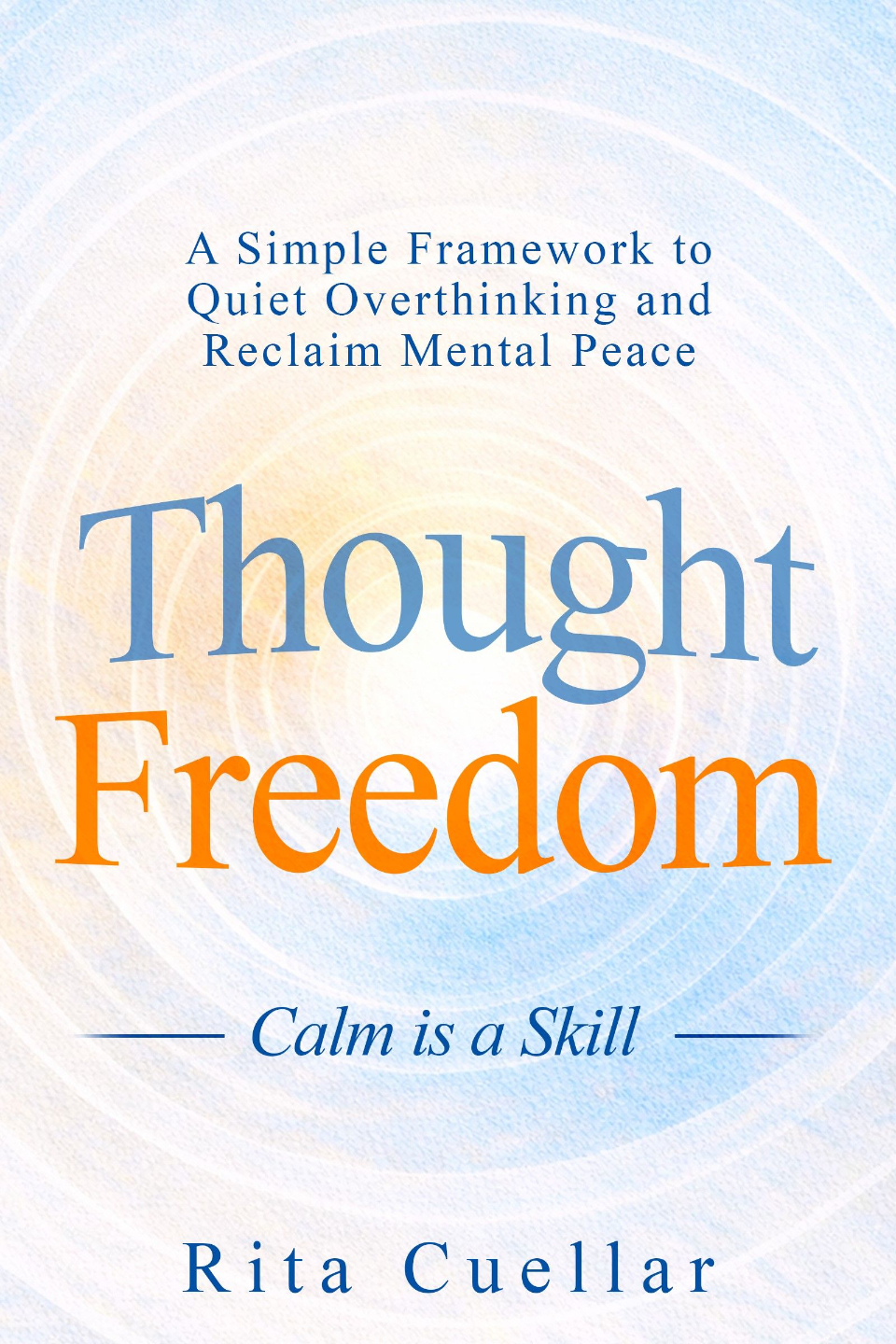
The Thought Freedom Course helps you break the cycle of overthinking and chronic mental strain so your energy can finally stabilize.
If overthinking has been running in the background of your day, you don’t need more information—you need a way to interrupt the pattern.
The 7-Day Overthinking Reset gives you simple, daily steps to help you catch the loop, create space, and feel calmer—without trying to force your mind to be quiet.
Get Calm, Clear, and Out of Your Head
Simple tools and insights to help you break the overthinking loop—sent straight to your inbox.
Don't worry, your information will not be shared.
We hate SPAM. We will never sell your information, for any reason.